
MUSIC IS FUN
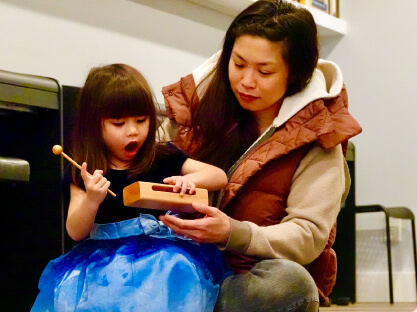
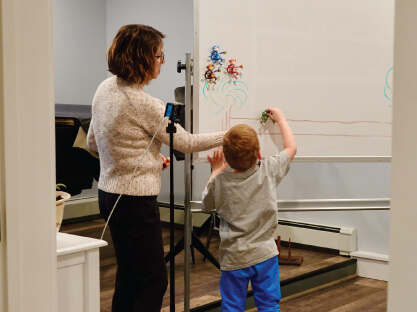
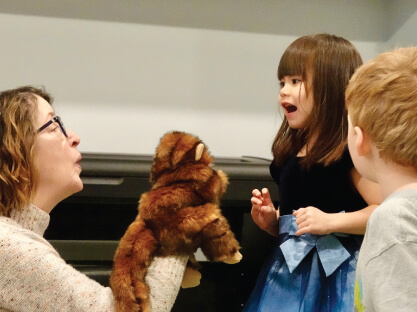
Music is Fun is a music and movement course where students are introduced to playing piano through age-appropriate activities. Basic music skills such as beat, rhythm, listening, and singing, as well as general musical concepts, are experienced.
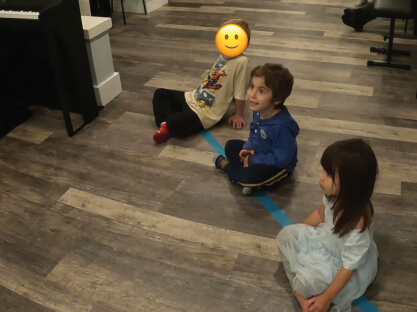
Research shows that we all learn better with others. Throughout the course your child’s confidence and resilience will grow through regular short opportunities to play or sing solo in front of others. Our nurturing class environment is the perfect place for your child to develop the skills needed to be successful at school including teamwork, listening, and social interaction.
In Music is Fun, students learn how to find and play the notes “do” to “so” on the piano. They also learn the basics of music notation and core musical foundations, including high/low, loud/soft, short/long, and fast/slow.
Introducing your 3-4 year old to music via Music is Fun is a fantastic way to enrich their early years. At this stage, children are naturally curious and eager to explore, and piano discovery offers a world of benefits that extend far beyond simply learning an instrument.
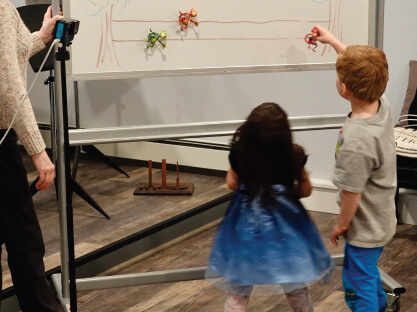
Cognitive Development: The discover of the piano helps lay a strong foundation for cognitive skills. When your child interacts with the piano, they start to recognize different sounds and notes, which enhances their auditory discrimination. They learn to associate visual symbols, such as keyboard topography and basic symbols, with sounds, improving their ability to make connections and understand concepts. This early musical training fosters pattern recognition and sequencing skills, which are critical for problem-solving and later academic learning. By experimenting with different sounds and rhythms, your child’s cognitive abilities are stimulated in a fun and engaging way.
Emotional Growth: Music is a powerful outlet for emotional expression, and piano discovery provides a safe space for your child to explore their feelings. The piano’s range of sounds allows them to express different emotions through music, whether it’s the joy of improvising a lively tune or the calm of a soothing melody. This emotional engagement helps children learn about themselves and manage their feelings, contributing to emotional intelligence and resilience.
Motor Skills Development: At this age, fine motor skills are still developing, and playing the piano is a wonderful way to enhance these abilities. As your child learns to play the keys in a developmentally appropriate way, they practice hand-eye coordination and finger dexterity. They learn to control their finger movements and develop the strength and precision needed for more complex tasks. These physical skills are not only crucial for playing an instrument but also support overall motor development and coordination.
Social Skills: Piano discovery often involves interacting with parents or peers, which can enhance your child’s social skills. Whether you’re exploring the piano together at home or they’re in a class setting, your child learns about sharing, taking turns, and communicating. These interactions help build important social skills and encourage cooperation and empathy. The shared experience of making music can also strengthen family bonds and create joyful memories.
Creativity and Imagination: The piano is a fantastic tool for sparking creativity and imagination. When your child explores different sounds and creates their own melodies, they engage in imaginative play. This creative exploration nurtures their ability to think outside the box and express themselves artistically. The piano becomes a medium through which they can experiment and invent, fostering a love for music and creativity.
Listening Skills: Developing good listening skills is crucial at this stage, and piano discovery offers a great opportunity for this. As your child listens to the sounds they produce and compares them with others, they improve their auditory discrimination and focus. Learning to differentiate between different pitches and rhythms enhances their overall listening skills, which can benefit them in many areas of learning and communication.
Foundation for Future Learning: Introducing your child to the piano at an early age sets the stage for future musical exploration. Through the accompanying movement activities, they begin to develop a sense of rhythm, melody, and harmony, which can serve as a strong foundation for more advanced musical studies later on. Early exposure to music can also foster a lifelong appreciation for the arts.
Music is Fun offers numerous benefits that support cognitive, emotional, social, and physical development. By engaging your child in this musical exploration, you provide them with a rich and rewarding experience that encourages growth, creativity, and joy. It’s an investment in their overall development that can bring lasting rewards.
Contact
Get in touch and we’ll get back to you as soon as we can.
We will never share or sell your contact information and promise to keep your email inbox spam-free.
Pamela Taylor Music
1792 Hinman Settler Road
Newport, VT, 05855